Self-Performed Scopes
Clearing, grading, utilities, erosion control, retaining walls, and demolition — all under one contract, one schedule, and one crew you can hold accountable. No coordinating between five subs. No finger-pointing when something slips.
Why One Contract
Most sites get built by a stack of separate subs — one for clearing, one for grading, another for utilities, another for erosion control. Every handoff between them is a place for schedule and budget to slip. We self-perform the whole stack as one team.
The Old Way
The Trax Way
What We Do
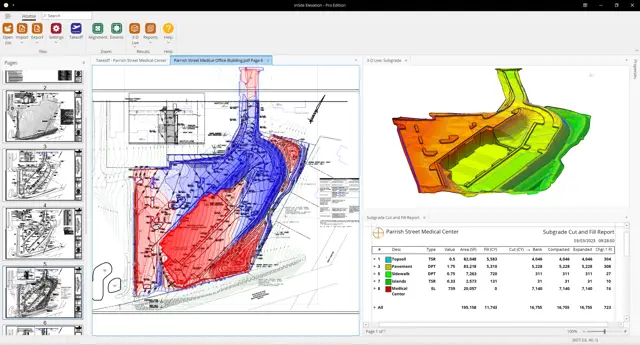
Plan review, constructability input, and unit-price budgets before the first stake goes in the ground.
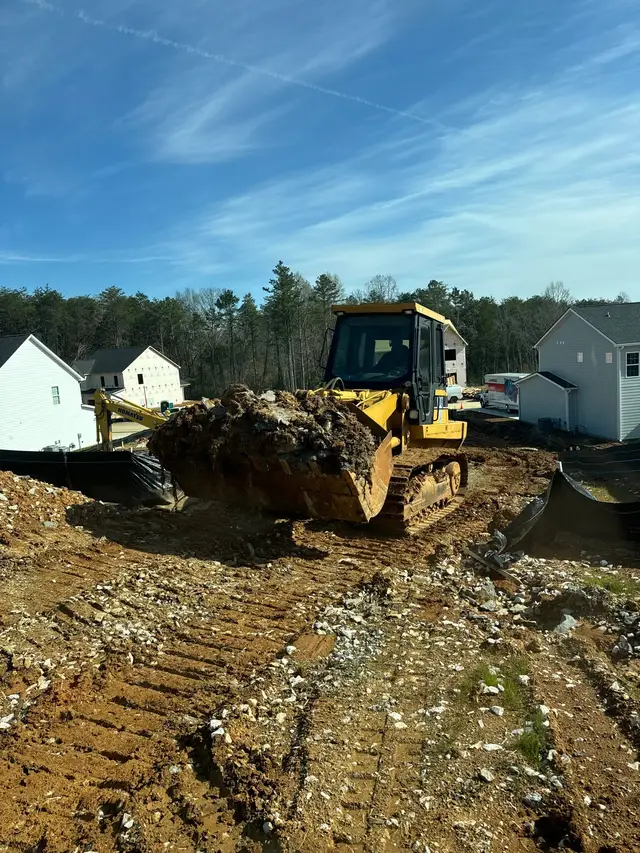
Tree and vegetation removal, stump grubbing, and topsoil stripping to get raw land ready to grade.
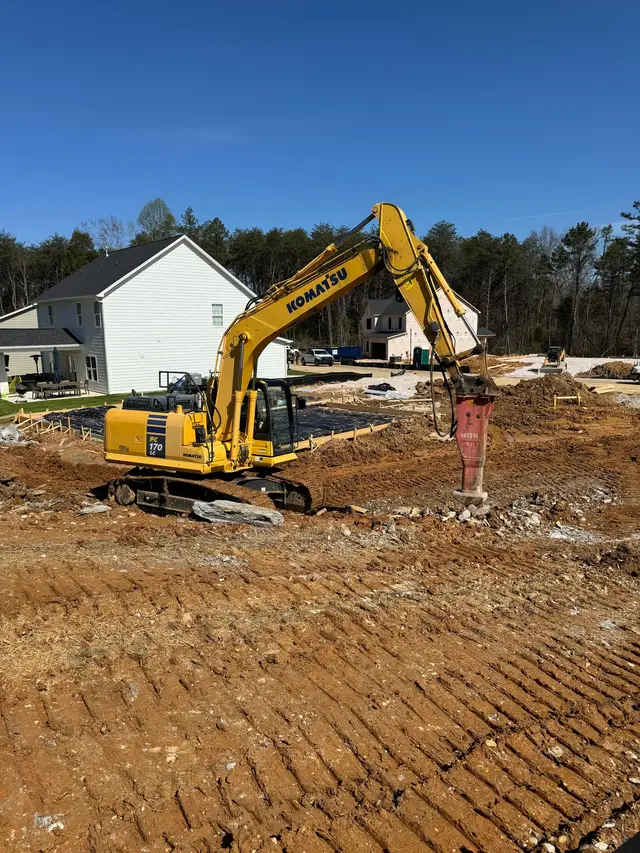
Structure, pavement, and utility demolition to clear a site for redevelopment.
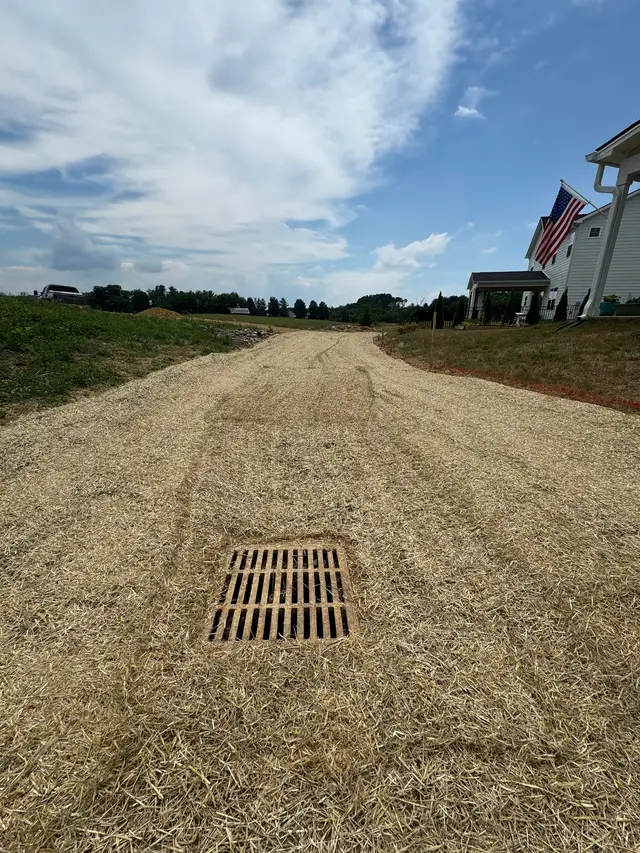
EPSC installation and maintenance to TDEC CGP — silt fence, check dams, inlet protection, stabilization.

Cut/fill balance, GPS machine control, moisture conditioning, and pad certification.
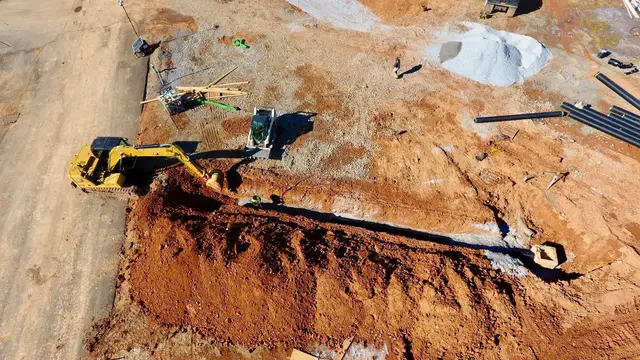
Storm drainage, sanitary sewer, and water distribution — self-performed as one accountable scope.
What It Means For Your Project
Schedule Certainty
Grading and utilities are sequenced by the same crew that's cutting the pads, so the schedule doesn't wait on a handoff between subs.
Budget Certainty
One unit-price contract across scopes means fewer change orders from the gaps between separate subs' work.
Single Point of Accountability
One superintendent, one lookahead, one team responsible for the sitework from clearing to close-out.
Bidding a Site in East Tennessee?
Civil sets, geotech, and a bid date — that's all we need to price the whole site as one number.